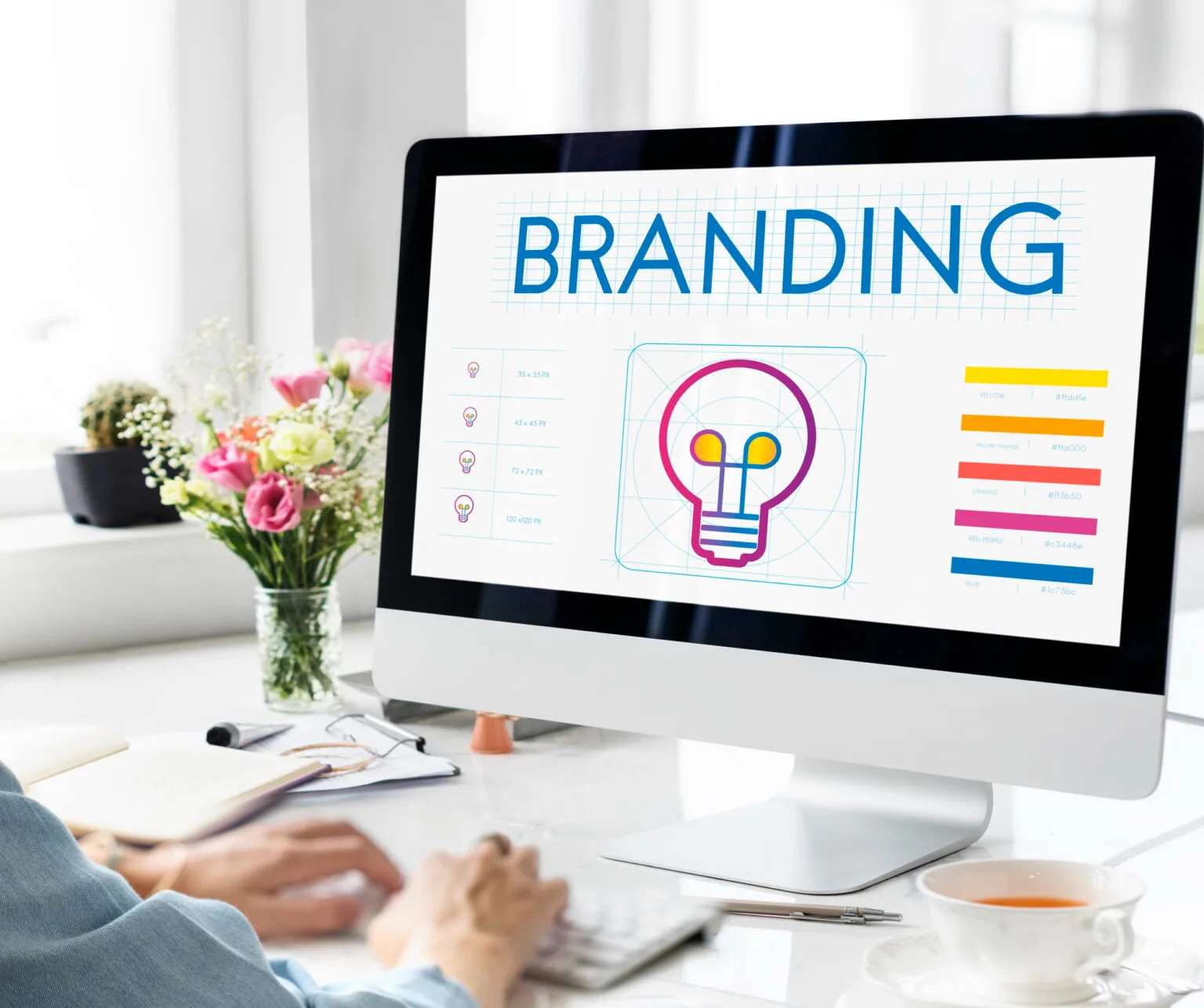
Branding & Design
Branding & Design: Creative Designs for Branding and Marketing Materials That Enhance Your Brand Identity
Ever wonder why some brands stick in your mind while others fade into background noise? The secret isn’t just about having a cool logo or picking trendy colours—it’s about creating a complete brand identity logo design that speaks directly to your audience’s hearts and minds. In today’s crowded marketplace, your branding and design choices aren’t just decoration; they’re your most powerful tools for building trust, driving sales, and creating lasting connections with customers.
Whether you’re a startup founder sketching your first logo or an established business ready to refresh your look, understanding the psychology and strategy behind effective branding can transform how people perceive and interact with your business. From the colours that trigger specific emotions to the typography that voices your brand’s personality, every design decision you make either moves you closer to your goals or pushes potential customers away.
In this guide, we’ll dive deep into the art and science of brand design, exploring how to create cohesive, compelling visual identities that not only look amazing but actually work harder for your business. Ready to discover how design can become your secret weapon for standing out and staying memorable?
Table of Contents
1. Understanding the Foundation of Brand Identity
Let’s be honest—when most people think about branding, they picture a logo and maybe some fancy colours. But here’s the thing: your brand identity is so much more than that. It’s literally everything your customers feel when they interact with your business. Think about it this way: when you see that distinctive red Coca-Cola script or Apple’s sleek minimalism, you don’t just recognize a company—you feel something. That’s the magic of solid brand identity at work. Your brand lives in your customers’ minds, and every visual element you put out there either strengthens or weakens that mental connection. The colours you choose, the fonts you use, the way you arrange elements on a page—they’re all working together to tell your story before you even say a word. And here’s what’s really fascinating: our brains are wired to make split-second judgments about brands. Within milliseconds, customers decide whether they trust you, whether you’re professional, and whether you’re worth their time. That’s why getting your visual identity right isn’t just about looking pretty—it’s about survival in a crowded marketplace where first impressions can make or break your business.
2.The Power of Visual Consistency Across All Platforms
Picture this: you walk into a McDonald’s in Tokyo, and despite not speaking Japanese, you immediately know exactly where you are. That’s the power of visual consistency, and it’s something every business—big or small—can harness. When your customers see the same design elements everywhere they encounter your brand, something magical happens in their brains. They start to relax. They feel safe. They know what to expect. It’s like having a friend they can recognize in a crowded room. But here’s where most businesses mess up: they think consistency means slapping the same logo on everything and calling it a day. Wrong! Real consistency is about creating a visual language that flows seamlessly from your website to your business cards, from your social media posts to your packaging. It’s about making sure your brand has the same “personality” whether someone meets you on Instagram or walks into your store. The challenge? Every platform has its own rules, dimensions, and audience expectations. Your brand needs to feel native to each space while still being unmistakably you. Smart businesses create what I like to call a “brand bible”—a guide that shows exactly how to adapt your visual elements for any situation while keeping that core identity intact.
3. Colour Psychology and Its Impact on Brand Perception
Colours don’t just look pretty—they literally mess with people’s minds in the best possible way. I’m not kidding when I say that the colours you choose for your brand can make the difference between someone buying from you or scrolling past. Science backs this up: researchers have found that people make subconscious judgments about products in just 90 seconds, and up to 90% of that snap decision is based on colour alone. Wild, right? Let’s break this down with some real examples. Ever notice how almost every bank uses blue? That’s because blue screams, “trust me with your money.” Tech companies love it too—think Facebook, LinkedIn, Twitter (well, the old Twitter). Red gets your heart pumping and creates urgency, which is why you see it everywhere during sales. McDonald’s didn’t accidentally choose red and yellow; those colours literally make you hungry and happy. Green has become the unofficial colour of “we care about the planet,” while black whispers luxury and sophistication. But here’s the plot twist: context matters enormously. A red cross means emergency medical help, but red lingerie means something entirely different. Your audience’s culture, age, and personal experiences all play into how they interpret your colours. The key is choosing colours that align with what you want people to feel about your brand, then using them consistently across everything you create.
4. Typography That Speaks Your Brand's Language
If colours are the mood of your brand, then typography is its voice. And just like you wouldn’t use the same voice to address a boardroom that you’d use at a casual coffee shop, different fonts communicate completely different messages. The fonts you choose are literally talking to your customers before they read a single word. Here’s what I mean: imagine seeing a law firm’s business card printed in Comic Sans. You’d probably question their professionalism, right? Or picture a children’s birthday party invitation set in rigid, corporate-looking text. It would feel all wrong. That’s typography doing its job—or failing at it spectacularly. Serif fonts like Times New Roman have those little feet on the letters, and they whisper “tradition, reliability, academia.” Sans-serif fonts like Arial are clean and modern, perfect for tech companies and minimalist brands. Script fonts add personality and elegance—think wedding invitations or luxury cosmetics. Display fonts are the attention-grabbers, perfect for headlines and brands that want to stand out. But here’s the tricky part: what looks gorgeous on a billboard might be completely unreadable on a smartphone screen. Your typography needs to work everywhere your brand shows up, which means testing it at every size and on every platform. The goal is creating a font family that feels cohesive while serving different purposes—headlines, body text, captions—all working together to reinforce your brand’s personality.
5. Logo Design Principles for Maximum Impact
Your logo is like your brand’s face—it’s often the first thing people notice, and it needs to make a memorable impression without trying too hard. The best logos in the world follow some surprisingly simple rules, and understanding these can save you from expensive mistakes. First rule: simplicity wins. Think about Nike’s swoosh or Apple’s apple. These aren’t complex masterpieces—they’re brilliantly simple shapes that work just as well on a tiny app icon as they do on a massive billboard. The moment your logo needs an instruction manual to understand, you’ve lost the game. Second, it needs to be memorable without being weird for the sake of being weird. Your logo should stick in people’s minds because it’s distinctive, not because it’s confusing. Third, versatility is crucial. Your logo needs to look good in full colour, black and white, tiny sizes, huge sizes, on light backgrounds, dark backgrounds—you name it. If your logo falls apart without colour, it’s not going to work in the real world. The design process isn’t about having a creative epiphany—it’s about research, iteration, and testing. You need to understand your competitors, your target audience, and your brand personality before you even think about shapes and colours. And here’s a pro tip: avoid trendy design elements that’ll look dated in five years. Your logo should be timeless enough to grow with your business while being distinctive enough to set you apart from the competition.
6. Creating Cohesive Marketing Materials
Here’s where the rubber meets the road: taking all your brand elements and making them work together across every piece of marketing material you create. Whether it’s a business card, a social media post, or a massive trade show banner, each piece should feel like it belongs to the same brand family. The secret sauce? Creating a flexible design system that maintains your brand’s personality while adapting to different purposes and formats. Think of it like a wardrobe—you have different outfits for different occasions, but they all reflect your personal style. Your brand materials work the same way. A formal proposal should look more polished than a fun social media post, but both should be unmistakably yours. This means establishing rules for layouts, spacing, photo styles, and how different elements interact with each other. For print materials, you’re dealing with physical constraints—paper quality, printing techniques, finishes. A luxury brand might splurge on thick, textured paper with foil accents, while an eco-friendly startup might choose recycled materials that align with their values. Digital materials bring different challenges: making sure everything loads quickly, looks good on different screen sizes, and remains accessible to users with disabilities. The goal is creating materials that don’t just look good—they work hard to communicate your message clearly while reinforcing your brand identity. Every piece should feel like a natural extension of your brand story, whether someone encounters it online or holds it in their hands.
7. Digital Brand Applications and Responsive Design
Welcome to the wild west of brand consistency—the digital world, where your brand needs to look perfect on everything from a 40-inch monitor to a smartwatch screen. It’s honestly one of the biggest challenges modern brands face, and it’s only getting more complex as new devices and platforms emerge. Your logo needs to be legible when it’s the size of a postage stamp on a phone screen, your colours need to look consistent across different screen technologies, and your overall design needs to adapt fluidly without losing its personality. Then there’s the platform puzzle. LinkedIn expects professional, polished content. Instagram rewards creativity and visual storytelling. Twitter (or X, or whatever it’s called this week) moves fast and informally. TikTok is all about authenticity and trends. Your brand needs to feel native to each platform while maintaining its core identity. It’s like being a chameleon that always stays recognizably you. The solution isn’t to create completely different brands for each platform—it’s to understand how your brand’s personality translates to different contexts. Your email newsletters might be more formal and information-heavy, while your Instagram stories can be playful and behind-the-scenes. The key is creating comprehensive digital brand guidelines that specify exactly how your elements should adapt to different contexts, ensuring your brand maintains its professional appearance and emotional impact, whether someone discovers you on TikTok or reads your LinkedIn article.
8. Packaging Design That Tells Your Story
If digital branding is about making connections through screens, packaging design is about creating magic in the physical world. Your packaging is often the first tangible interaction customers have with your brand, and it needs to deliver on multiple levels. It’s not just about protecting your product—it’s about creating an experience that starts the moment someone sees your package on a shelf and continues through the entire unboxing process. Think about the last time you ordered something online and the packaging made you smile. Maybe it was the colours, the way it opened, a clever message inside, or just the overall attention to detail. That’s packaging doing its job as a brand ambassador. Great packaging design starts with understanding your customer’s journey. Where will they encounter your product? Are they browsing a crowded store shelf, scrolling through an online marketplace, or receiving it as a gift? Each scenario requires different design strategies. Shelf appeal is crucial in retail environments—your package needs to stand out while clearly communicating what’s inside and why someone should care. Material choices communicate your brand values louder than words ever could. Sustainable packaging tells customers you care about the environment. Premium materials suggest quality and luxury. The structural design needs to be practical for shipping and storage while creating that all-important unboxing moment that might end up on social media. Colour psychology plays a huge role here too, often influencing purchase decisions at the subconscious level.
9. Brand Evolution and Redesign Strategies
Here’s something that keeps business owners up at night: knowing when to update your brand and how to do it without confusing your customers or losing the equity you’ve built over time. It’s like renovating a house while people are still living in it—tricky, but totally doable with the right approach. The truth is, brands that never evolve eventually become irrelevant. Consumer tastes change, new technologies emerge, and markets shift. The brands that survive and thrive are the ones that can adapt while staying true to their core identity. But here’s the thing: you don’t need to blow everything up and start over. In fact, that’s usually a terrible idea. Look at how Coca-Cola has evolved its logo and visual identity over more than a century. Each change has been subtle and evolutionary, maintaining the elements that customers recognize and love while gradually modernizing the look and feel. The key is knowing when change is actually needed versus when you’re just bored with your current brand. Real reasons to consider a brand refresh include expanding into new markets, targeting different demographics, outdated design elements that no longer work across modern platforms, or significant changes in your business model. The process should always start with research—understanding how your current brand is performing, what customers think about it, and where you want to take your business. Small, strategic changes often have more impact than dramatic overhauls, allowing you to test and refine along the way.
10. Conclusion
Building a strong brand through thoughtful design isn’t just about making things look pretty—it’s about creating a strategic advantage that drives real business results. Every element we’ve discussed, from the psychology of colour choices to the nuances of packaging design, works together to support an overarching focus on branding and design, resulting in something bigger than the sum of its parts: a brand that resonates with your audience and stands out in a crowded marketplace.
The best part? You don’t need a massive budget to get started. You need clarity about who you are, who you’re trying to reach, and what you want them to feel when they encounter your brand. Whether you’re working on your brand identity logo design for the first time or refreshing an established brand, remember: consistency beats perfection every time. Your customers prefer a brand that feels familiar and reliable over one that constantly shifts just for the sake of change.
As you apply these principles to your own branding efforts, focus on creating authentic connections with your audience. Listen to their feedback, observe how they interact with your materials, and be open to evolution based on what you learn. The most successful brands aren’t just visually appealing—they’re built through thoughtful branding and design strategies that reflect a deep understanding of their customers and consistently deliver experiences that exceed expectations.
That’s the real power behind exceptional brand identity, logo design and strategic branding. For brand Identity and logo design, you can reach us on our official site https://work.codifye.in/
FAQS
What is branding and why is it important?
Branding is the process of creating a unique identity for a business through visuals, messaging, and values. It helps build recognition, trust, and emotional connection with your target audience.
How does design affect branding success?
Good design makes your brand visually appealing, memorable, and professional. It ensures consistency across platforms, which builds trust and reinforces your brand identity.
What are essential branding materials every business should have?
Common branding materials include a logo, business cards, brand guidelines, social media graphics, website design, brochures, and product packaging.
What makes a great branding design?
A great branding design is consistent, visually aligned with your brand values, appeals to your target audience, and communicates your message clearly.
How often should you update your brand design?
While minor tweaks can be made regularly, a major brand refresh is often needed every 5–7 years to stay relevant with design trends and audience expectations.






Related Posts

WordPress Hosting & Maintenance

Website Maintenance